How to Winterproof Your Church So Your Ministry Isn’t Interrupted
Churches are often gathering places on cold winter days. Christmas and holiday services draw congregants to worship, surrounded by decorations, glowing candles, and a sense of togetherness.
But once the holidays are over, many church buildings often sit empty throughout the week. This can be especially true during winter. The absence of people and cold weather pose risks to the church's infrastructure.
Burst pipes are a leading cause of damage to churches each year. HVAC systems and roofs are also vulnerable during the wintertime. But by taking a few preventative measures, your church can be well-equipped for wintertime.
Protecting Your Church’s Plumbing System
A church’s plumbing system is particularly vulnerable to winter’s freezing temperatures. In older churches, plumbing is often exposed in unheated areas like basements, exterior walls, attics, and crawl spaces.
A simple way to protect these pipes is to use insulating material, such as foam pipe insulation. You can also use heat tape – a flexible cable that keeps pipes warm via electricity.
Maintain Adequate Temperatures
While it is tempting to considerably reduce your thermostat or turn it off altogether when no one is using your church facility, it’s best to keep your heat set at 60°F when the building is unoccupied. During extremely cold temperatures and overnight lows, increase the heat to at least 65°F and be sure to open cabinet doors to allow airflow to pipes and plumbing systems.
Completely shutting off the heat runs the risk of pipes freezing and other damage. It could strain your HVAC system when it tries to heat the building after being off.
Programmable and smart thermostats can help you control of your church’s heating, adjust temperatures across different areas, and create schedules so the building is warm when congregants arrive.
Drain Seasonal Systems
Outdoor maintenance is minimal for most churches during winter, so consider draining, disconnecting, and covering outside spigots and hoses.
If your church has an irrigation system, clearing and winterizing the lines will prevent freeze damage.
Emergency Preparedness
In the event of a plumbing emergency, staff and designated members should know where your main water shutoff valve is located, and the instructions should be clearly visible to facilitate the process. It’s best practice to have a list of emergency plumber contacts on hand if needed.
Maintaining HVAC and Heating Systems During Winter
Your HVAC system is one of your church’s lifelines during the cold months. It’s always best to have a professional inspect your system before temperatures begin to drop to ensure proper service.
A change in seasons is a good opportunity to conduct routine maintenance. Regularly replace filters and ensure proper airflow. Test various heating zones to identify any areas that aren’t receiving adequate coverage. Make sure all vents and registers are clear of blockage.
Preparing the Roof, Gutters and Exterior
It’s the little things that can make a huge difference when winterproofing your church. Cleaning your gutters and removing debris can prevent ice dams and ensure proper water flow.
If your church has trees overhanging where congregants and visitors gather or walk, consider trimming them. Ice and snow can bring limbs down, causing injury to parishioners and damage to structures.
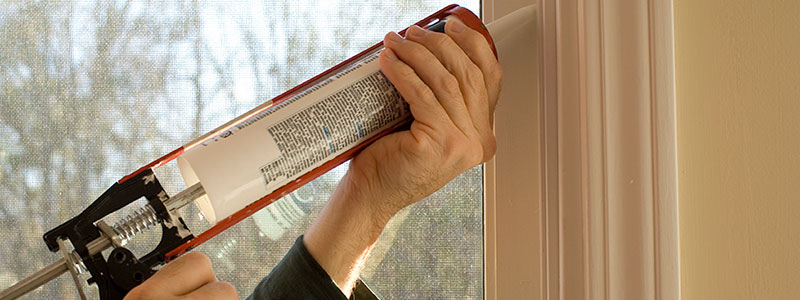
Many older buildings lose heat through uninsulated doors and windows. Check the weatherstripping to improve your facility's efficiency. Repair any caulking around windows and your foundation where cracks appear.
Accumulation of snow and winter weather can cause leak issues. Check around your foundation to ensure drainage is adequate.
Checking the Electrical and Safety Systems
Your church’s safety systems need to be in good order for winter. If your church has generators, test them to ensure you have sufficient fuel.
Have a team and plan in place to prepare walkways and parking areas for ice and snow and to clear it if you plan to continue holding services during inclement weather.
It is also a good time to test fire alarms and sprinkler systems by a qualified professional to confirm everything is functioning properly.
Ministry Doesn’t Have to Be Disrupted
Wintertime is a wonderful time for churches. But it’s not without its risks to your facility. Taking a few steps to winterproof your church can help ensure ministry continues without interruption and your property is protected.
If you have questions for us, reach out and we’ll be happy to help.