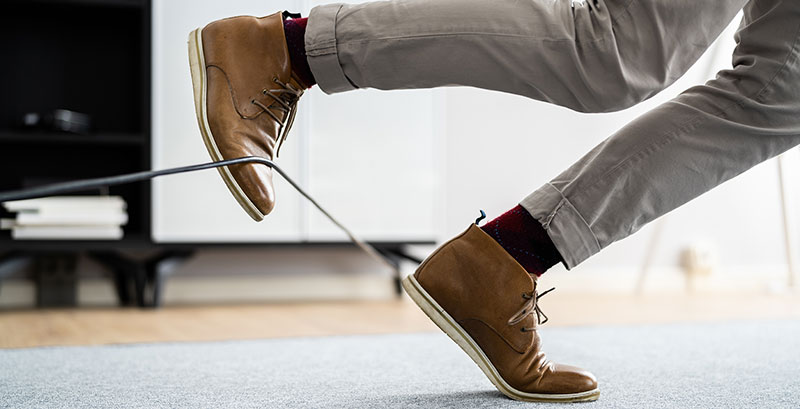
Slip and Falls
Slip and fall accidents are one of the most common causes of injury in public spaces – and churches are no exception. With congregants of all ages gathering for worship, events, and community programs, faith facilities must take proactive steps to reduce hazards and create a safe environment for everyone.
Why Churches Are at Risk
Churches often face unique challenges. High foot traffic before and after services, rainy or wintry weather, polished floors, steps near sanctuaries, fellowship halls with food service, and parking lots used throughout the week all increase the risk of slips and falls. Many congregations also include elderly members, who are more vulnerable to serious injuries such as fractures or head trauma.
Preventing accidents requires a combination of routine maintenance, smart design, and awareness.
“It’s very important for churches to understand that preventing what they see as a small step can help prevent a larger problem,” says Nitiki Satterwhite, Claims Representative with Southern Mutual Church Insurance Company.
Keep Floors Clean and Dry
Wet or recently polished floors are a leading cause of falls. Custodial teams should:
- Clean spills immediately
- Use non-slip floor treatments
- Place clearly visible caution signs during mopping
During rainy or wintry weather, assign volunteers or staff to monitor entrances and replace saturated mats.
Inspect carpet, hardwood floors, tiles, and thresholds
Walking surfaces should be routinely inspected. They often receive the most foot traffic, wear out sooner and can lead to trips and falls. To make walking surfaces safe:
- Repair or replace torn carpet
- Make sure transition thresholds are clearly marked
- Repair broken or loose tiles and uneven hardwood flooring
- Regularly inspect carpets and runners to ensure edges are not curled or frayed
- Ensure entry rugs are secured and lie flat
Improve Lighting and Visibility
Poor lighting can make it difficult to see changes in floor level or obstacles. Make sure:
- Stairways and hallways are well-lit
- Burned-out bulbs are replaced promptly
- Outdoor walkways and parking lots have adequate lighting for evening services
Consider adding reflective tape to stair edges and handrails to improve visibility.
Maintain Grounds, Walkways and Parking Areas
Outdoor surfaces can be just as hazardous as indoor ones. Churches should:
- Repair cracked sidewalks
- Fill in holes in the parking lots and church grounds
- Remove debris, leaves, and gravel
- Apply ice melt during winter conditions
Clearly mark uneven pavement. If the church contracts snow removal services, ensure agreements clearly outline responsibilities and response times.
Issues Inside the Church
A church’s interior can have several hazards that can cause a slip and fall. Satterwhite said that she has seen instances where someone tripped over items left in a hallway. Choir lofts are another area of concern as choir members often enter the loft in long robes while carrying hymnals or other items.
Rugs also present a tripping hazard. Satterwhite said they’re often not properly secured at doorways, which can cause them to slide and result in someone slipping or catching their toe.
Satterwhite says, “signage is very important, especially for doorways with elevation that is difficult to see.”
Install and Maintain Handrails
Handrails on stairs and ramps are critical safety features. Check that they are sturdy, properly secured, and compliant with local building codes. Ramps should have non-slip surfaces and gradual slopes to accommodate individuals with mobility challenges.
Create a Safety Culture
Prevention works best when everyone is involved. Encourage staff and volunteers to report hazards immediately. Conduct periodic walkthrough inspections before services and large events. Churches may also benefit from consulting local safety professionals or insurance providers for risk assessments.
Training ushers and ministry leaders to assist individuals with mobility issues can also reduce risk during crowded services or special ceremonies.